
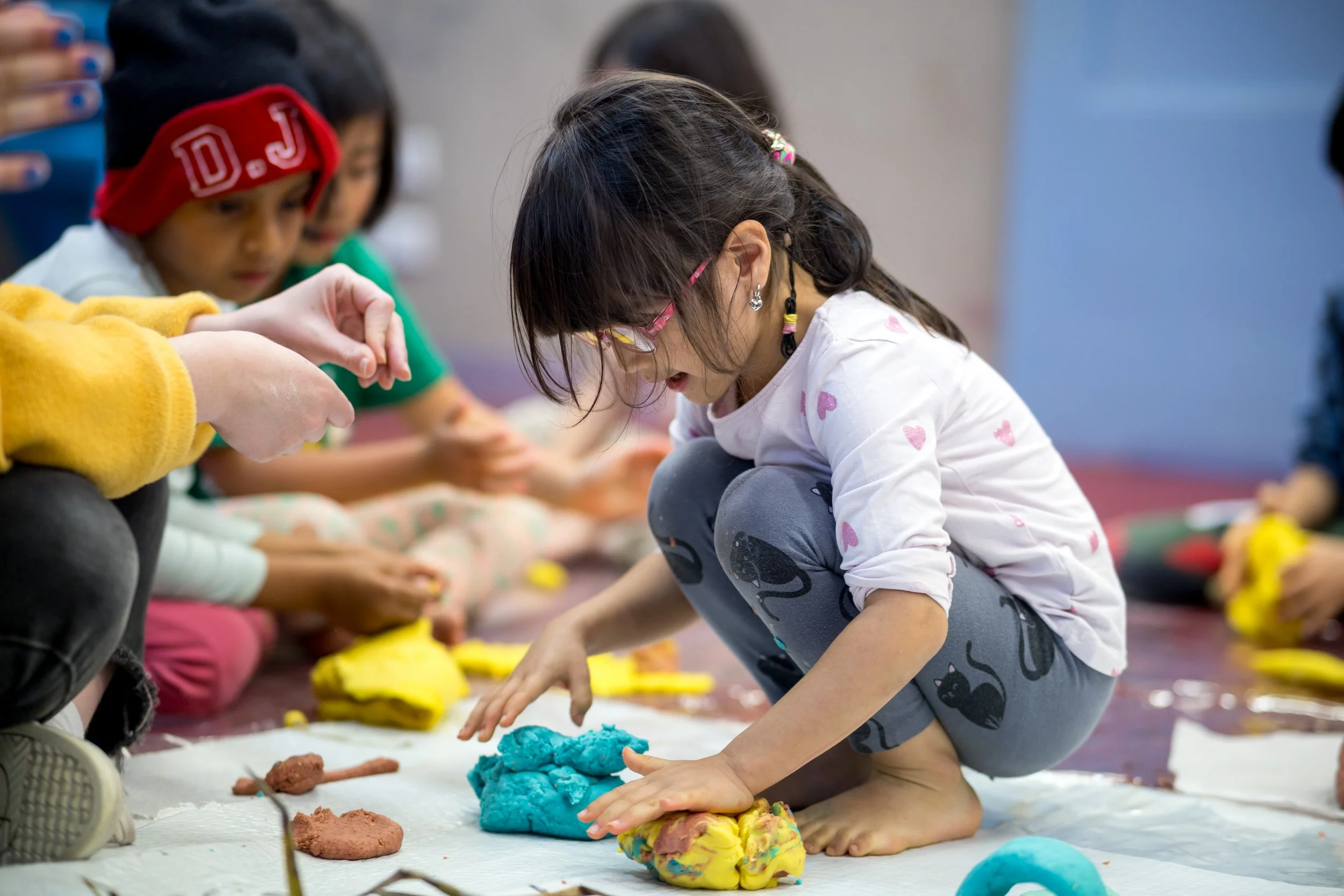
The connection between body and mind.
About Art Therapy
Art therapy is based on the idea that creativity enhances wellbeing. It's a psychotherapeutic approach that uses different mediums to promote the emotional, social, cognitive, physical, and cultural (including spiritual) functioning of a person.
How Art Therapy Works
Creative processes are used to help a person explore and express unconscious material that may be difficult to articulate in words. It is based on the connection between body and mind and recognises that change and growth in one area supports change and growth in the other.
Art therapists combine their specialist knowledge with skills of psychotherapy, counselling and rehabilitation to help individuals with a wide variety of treatment needs.
Art Modalities Include:
Visual Art (drawing, painting, sculpture)
Drama Therapy
Sand play
Music
Narrative and storytelling
Creative writing and poetry
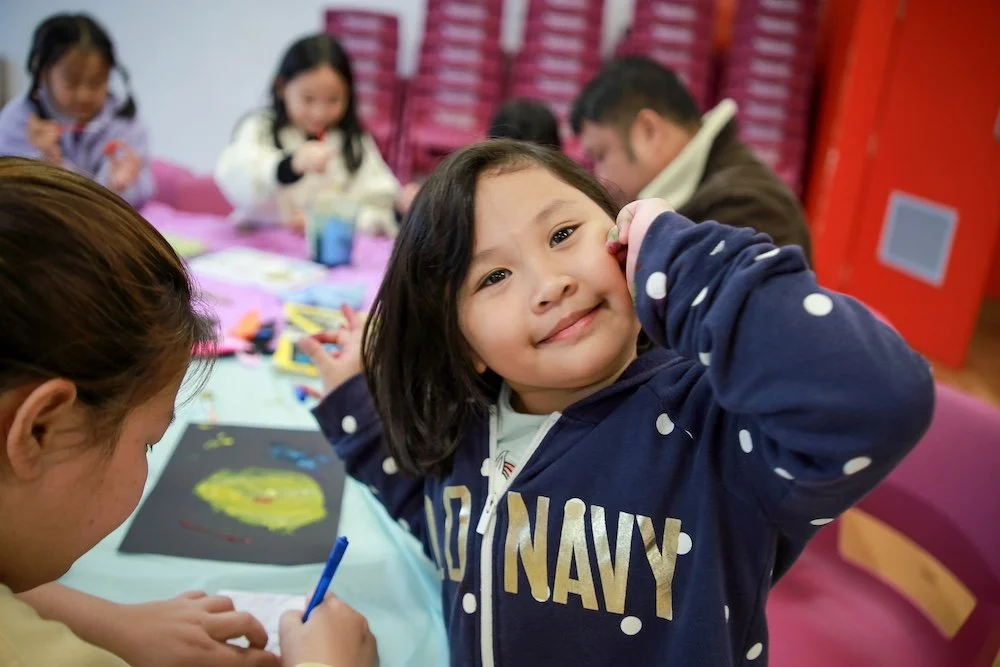

How Does Art Therapy Help?
Art therapy is effective at helping people living with:
Trauma and its symptoms i.e. anxiety, depression, body image, relationship difficulties, PTSD, and trauma
Developmental delays, learning difficulties, autism and related disorders
Adoption issues, attachment issues, couple/relationship issues
Physical disorders e.g. movement restrictions, chronic pain
Mental health conditions including addictions, eating disorders, anger management
Neurological disorders e.g. Parkinson’s disease, dementia, and bereavement
A person's needs may be supported through group or individual art therapy sessions and in many types of settings e.g. private clinics, hospitals, schools, aged-care facilities.
FAQs
-
If your think that the STARS or Arts 4 Us SPECIALITY programme is right for your child/teen:
Make an enquiry through the website or email clients@dancetherapy.co.nz or phone: 096363029
Our administrator will contact you to find out some basic information
You will be emailed a registration form (or you can fill this out on our website) – this gives us more detailed information about your child/teen and their history. This helps the therapist during the assessment to understand your child/teens needs better.
If a group is potentially available the team will be in touch with all the details.
If a group is not currently available (eg. Sometimes we get enquiries for children/teens who are too young/old to join with a group we currently have), you will be contacted by one of our team members and you can ask to be placed on our waiting list (in case a group becomes available that meets your child’s needs). We try and stay in touch with carers/parents on the waiting list on a termly basis.
Prior to joining a group you will be asked to complete a consent form.
If you think that the Arts 4 Us or Dance for Us is right for you or your child/teen:
Book you placement through the website or email clients@dancetherapy.co.nz or phone: 096363029.
We can answer your questions and let the therapist know you are likely to attend.
-
Our current programme costs are as follows:
Dance 4 Us (adult and youth classes) – Termly registrations @ $8 per session.
Arts 4 Us general (for school aged children living in the community of programme) – free
STARS $189.75 (incl gst)/term (8 weeks)
Arts 4 Us specialty $225 (incl gst)/term (8 weeks)
-
Carer Support:
If you receive carer support you can designate the cost of an hour of this to the dance/arts therapy session. Bring your form along for the therapist to sign. You claim this money directly.Individual funding:
If your child/teen has been Needs Assessed and has Home and Community Support Services or a Respite allocation you may wish to discuss with your assessor Individual Funding. This allows you to decide who/how this funding is spent. You can use part of the funding towards the cost of therapy/a programme. This option can be discussed with Taikura Trust.Contact us at clients@dancetherapy.co.nz to learn how you can use your Individualised Funding and Carer Support/I Choose with DTNZ
Disability Allowance subsidised counselling
If you are receiving the disability allowance through WINZ (Work and Income New Zealand) you may be eligible for subsidised counselling. If you are not currently receiving to check if you meet their income criteria click hereAssistance is provided for counselling if the need for counselling is directly related to a person’s disability. You, your doctor and your therapist (who must be a member of the New Zealand Arts Therapy Association - ANZACATA) will need to fill out the Disability Certificate - Counselling (download the form here).
From time to time we become aware of possible avenues to assist with therapy costs. We will endeavour to keep you informed of these. Click on possible funding sources to aid parents
Links: (click)
Taikura TrustHalberg Trust Activity Fund Grant
-
We are lucky enough to have therapists who speak a range of languages (eg. Chinese, Japanese, Spanish, English). If you need help with initial communication let us know.
-
Yes!
-
Yes!